EN 17353
Protective Clothing for Enhanced Visibility
EN 17353 is a European standard that defines requirements for garments and accessories designed to improve visibility in medium-risk environments. This includes being visible in daylight and/or darkness when illuminated by vehicle headlights or searchlights. Garments certified under this standard are intended for situations where only enhanced visibility is needed and should not be used in high-risk environments requiring high-visibility clothing.
Garment Types and Minimum Material Requirements
The standard specifies three types of garments based on usage conditions:
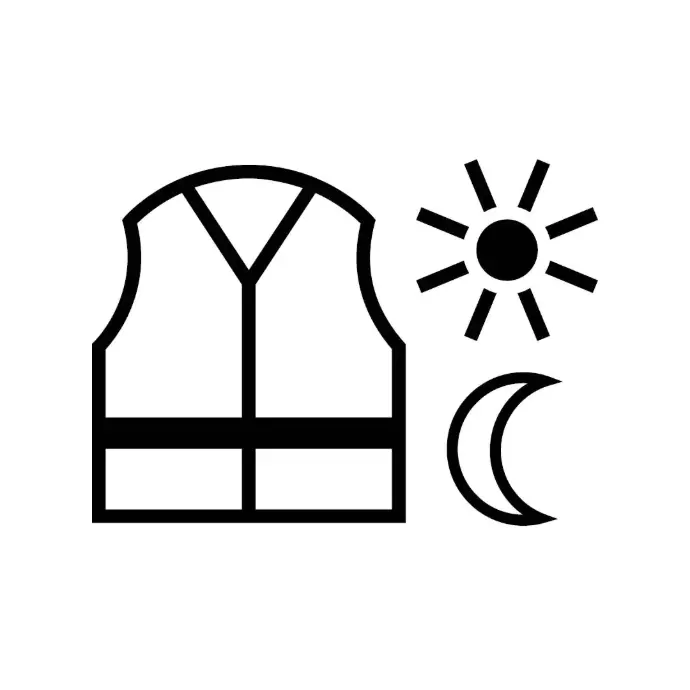
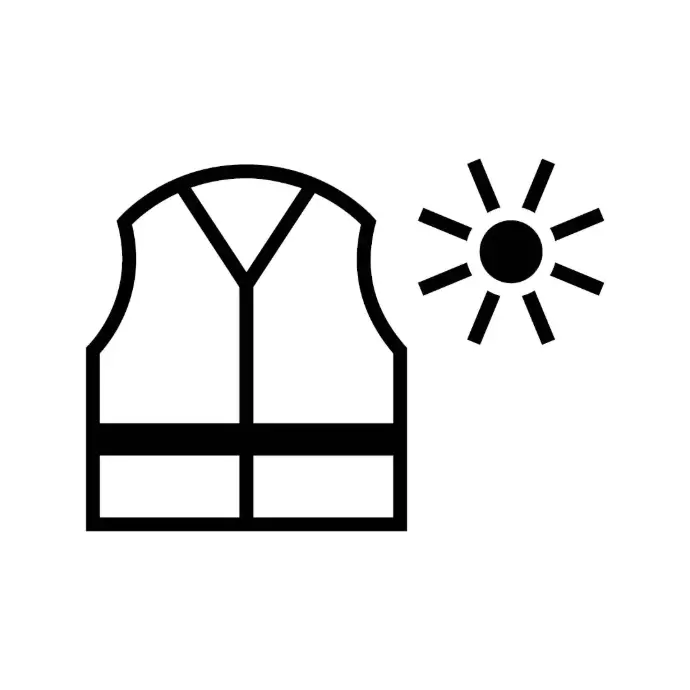
Type A
For daylight visibility
Minimum Material Requirements:
Fluorescent (m²):
A: 0.240 (≥140 cm body length) / 0.140 (≤140 cm)
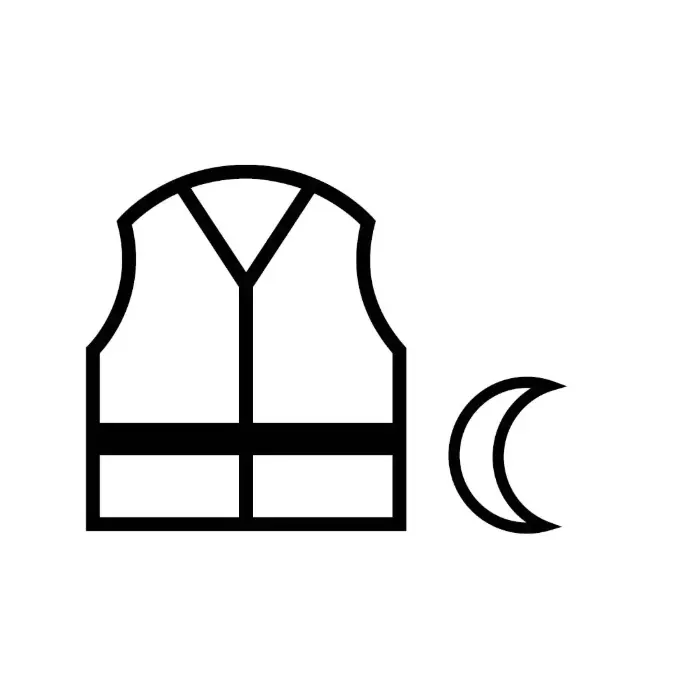
Type B 2 & 3
For dark conditions
Minimum Material Requirements:
Reflective (m²):
B2: 0.018 B3: 0.080 (≥140 cm) / 0.060 (≤140 cm)
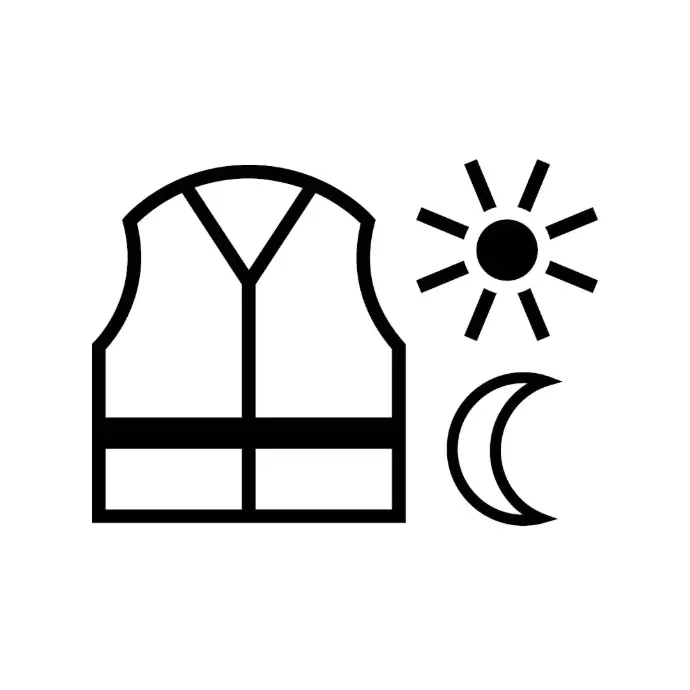
Type AB 2 & 3
For daylight and dark conditions
Minimum Material Requirements:
Fluorescent (m²):
AB2: 0.240 / 0.140 AB3: 0.240 / 0.140
Reflective (m²):
AB2: 0.018 AB3: 0.080 / 0.060
Key requirements of EN 17353
The standard defines both colour and retroreflective performance:
- Specifies minimum surface areas for fluorescent and retroreflective materials, based on wearer height.
- Specifies the distribution of fluorescent and retroreflective materials on front, back and sides for all-round visibility.
- Allows a wider fluorescent colour palette than EN ISO 20471, including yellow-green, yellow, orange, orange-red, red, and even pink.
How EN 17353 differs from EN ISO 20471
For professionals, the key distinction lies in the level of risk:
- EN 17353 applies to medium-risk contexts, where visibility is important but conditions are less extreme. Examples include warehouse logistics, light maintenance near traffic, or utility work in lower-speed areas.
- EN ISO 20471 is mandatory in high-risk environments, such as roadworks on highways or heavy construction sites, where maximum visibility is critical to safety.
Together, both standards ensure professionals can select the right level of visibility protection for the risk at hand.