EN ISO 20471
High-Visibility Protective Clothing
This standard specifies protective clothing designed to make the wearer highly visible during both daylight and nighttime conditions, particularly in environments where moving vehicles are present.
The standard defines three classes, each corresponding to a different risk level. Class 3 provides the highest level of visibility. To achieve CE marking under EN ISO 20471, a garment must meet the minimum surface area requirements for fluorescent and reflective materials as shown below:
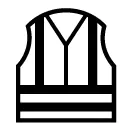
Class 3
Roadworks in darkness, high-speed traffic
Fluorescent Material: 0.80
Reflective Material: 0.20
Class 2
Work in twilight, public roads
Fluorescent Material: 0.50
Reflective Material: 0.13
Class 1
Low-risk environments, extra visibility on company grounds
Fluorescent Material: 0.14
Reflective Material: 0.10
Fluorescent fabrics improve visibility during daylight by making the wearer stand out against the surroundings. Retroreflective materials reflect incoming light, such as headlights, making the wearer visible at twilight and at night. Together, these ensure visibility from all directions (360°) in different light conditions.
Garment design is also a key parameter for CE marking. EN ISO 20471 is an international standard recognized globally, including in the United States, where the equivalent standard is ANSI/ISEA 107.
Teachers are selected among experts of their domains. They are not just professors, they are professionals in their field of expertise.
Garment size
Because the certified surfaces of fluorescent and retroreflective material are measured, smaller sizes may fall into a lower class than larger sizes of the same model. Always check the label for the class of your specific size.
Combining garments
EN ISO 20471 also allows certified garments to be combined to reach a higher protection class. For example, a jacket and trousers, each certified as Class 2, may together form a Class 3 outfit. Such combinations must always be approved by a notified body to ensure compliance.
Correct use and maintenance of EN ISO 20471 garments
The effective visibility of a garment depends on several factors:
- Use
Soiling, heavy wear, or exposure to light can reduce visibility. After long exposure, colours may shift but will still comply with EN ISO 20471. - Care
Labels indicate the maximum permissible number of care cycles (‘Max xx’) tested during certification. However, actual lifespan may be shorter or longer depending on conditions. Caution is advised when laundering together with dark garments, as this can cause staining. - Repairs
Damaged or improperly repaired garments may no longer meet the standard’s requirements. - Storage
Storing garments in dark, dry environments helps preserve their fluorescent and retroreflective properties.